
Meth contamination is one of the most serious — and least visible — property risks in Australia. Unlike flood or fire damage, you can’t always see it. Meth residue soaks into walls, ceilings, carpets and ventilation systems, and it stays there long after the people who caused it are gone.
Whether you’re a landlord, prospective buyer, property manager or tenant, knowing how to tell if a property has been used as a meth lab could save you from a costly and dangerous situation.
Here’s what to look for:
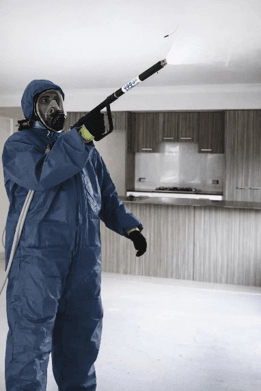
Meth decontamination technician treating contaminated property in Australia
Why Meth Contamination Is a Hidden Danger
Methamphetamine doesn’t just affect the people who use or produce it — it leaves behind chemical residue that clings to surfaces throughout a property. This residue can cause health issues including headaches, nausea, respiratory problems and skin irritation, even at low levels of exposure.
The Australian Clandestine Drug Laboratory Remediation Guidelines set a safety threshold of 0.5 micrograms per 100cm² (µg/100cm²). Any property testing above this level is considered contaminated and requires professional decontamination before it’s safe to occupy.
The problem is that most contamination isn’t visible to the naked eye — which is why knowing the warning signs matters.
8 Signs a Property May Have Been a Meth Lab
1. Strong or Unusual Chemical Smells
A persistent smell of ammonia, acetone, cat urine or solvent-like chemicals — especially in enclosed spaces like garages, bathrooms or laundries — is one of the most common early warning signs. The smell may linger even after a property has been cleaned or repainted.
2. Staining on Walls, Ceilings or Floors
Yellow, brown or orange staining on walls or ceilings that can’t be explained by water damage or age is a red flag. Meth production generates chemical vapour that deposits residue on every nearby surface. Look especially around vents, windows and in areas with poor airflow.
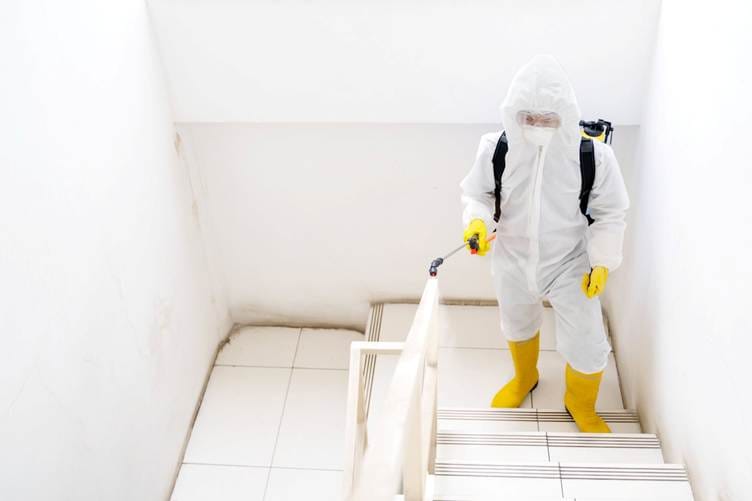
Meth decontamination technician spraying contaminated stairwell
3. Unusual Ventilation or Exhaust Setups
Improvised ventilation — extra fans, PVC pipe running through walls, covered windows, or exhaust hoses — is a common sign that a property was used to produce drugs. These are attempts to manage chemical fumes and odour.
4. Burn Marks or Heat Damage
Meth production involves heat. Burn marks on benchtops, floors or walls — particularly in areas that don’t typically involve cooking or open flame — can indicate a former clandestine lab.
5. Residue on Surfaces
Powdery or crystalline residue on hard surfaces, particularly in kitchens, bathrooms or laundries, is worth taking seriously. Don’t touch it — if you suspect contamination, the right step is professional testing, not DIY investigation.
6. Health Symptoms When Entering
If you or others experience unexplained headaches, nausea, dizziness, eye irritation or difficulty breathing when entering or spending time in a property, meth contamination may be a contributing factor. These symptoms shouldn’t be dismissed as coincidence.
7. Unusual Property History
Properties that have had a high turnover of short-term tenants, that were rented under cash arrangements, or that show signs of hasty clean-up or recent repainting without obvious reason deserve closer scrutiny. Ask the property manager or real estate agent directly about any known history.
8. Discarded or Unusual Chemical Containers
Empty bottles of pseudoephedrine products, drain cleaner, acetone, paint thinner, lithium batteries or other common precursor chemicals — especially in unusual quantities or in odd locations — are serious indicators.
What to Do if You Suspect Meth Contamination
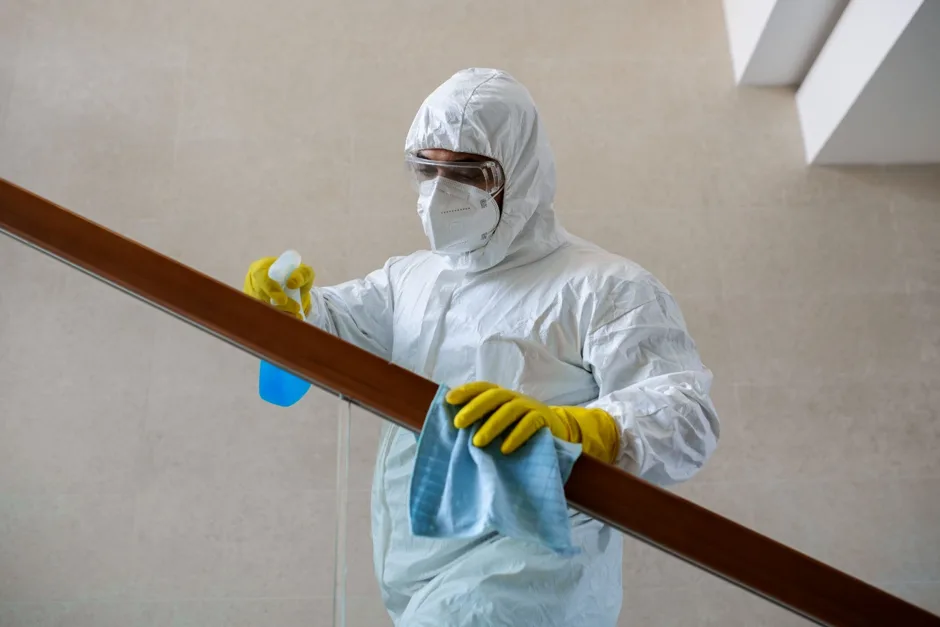
Professional decontamination technician in PPE cleaning surfaces during meth remediation
Don’t try to clean it yourself. Household cleaning products don’t neutralise meth residue — they can spread it further. The right steps are:
- Don’t occupy the property until it has been tested
- Book a professional meth test — a certified technician will take surface wipe samples and send them to an accredited lab
- Get the results assessed against the 0.5µg/100cm² Australian standard
- If contamination is confirmed, engage a licensed meth decontamination service to remediate the property and issue a clearance certificate
A clearance certificate is the document that confirms the property has been brought back below the safe threshold. It’s what insurers, property managers and future buyers will want to see.
Who Is Most at Risk?
Meth contamination isn’t just a problem for properties that were used as labs. Properties where meth was regularly smoked or used can also accumulate dangerous levels of residue over time. This makes the issue relevant for:
- Landlords and property managers taking over a rental after a tenancy
- Buyers doing due diligence on a property purchase
- Real estate agents managing deceased estates or distressed properties
- Fleet and car rental operators whose vehicles may have been used for drug activity
- Body corporates managing multi-unit residential buildings
The Bottom Line
Meth contamination is more common than most people realise — and it’s not always easy to spot without professional testing. If a property has any of the warning signs above, the safest and most cost-effective step is to get it tested before anyone moves in.
Meth Cleaning Australia provides professional meth testing and full decontamination services across Brisbane, Sydney, Melbourne, Gold Coast and the Sunshine Coast. Our certified technicians follow NIOSH 9111 standards and issue a clearance certificate on every job.
Get in touch for a quote or learn more about our meth testing services and meth decontamination process.
Meth Cleaning Australia is a specialist division of AllAces, one of Australia’s most trusted restoration companies.