
Meth Contamination Disclosure Laws VIC: What You’re Legally On the Hook For
Meth contamination disclosure laws VIC rarely get read until an owner is staring down a decision like this one. Consider a hypothetical: a landlord in Dandenong South is preparing to re-lease a property. The previous tenancy ended abruptly after neighbours reported chemical smells and scorch marks near the kitchen exhaust. No test was carried out. No report was filed. The landlord’s question is a simple one: is he required to tell the next tenant, or can this stay quiet?
It’s a version of the question owners across Victoria genuinely face, and the answer sits inside two pieces of legislation most property owners have never opened. Understanding meth contamination disclosure laws VIC before a lease is signed is the only way to answer it with any confidence.
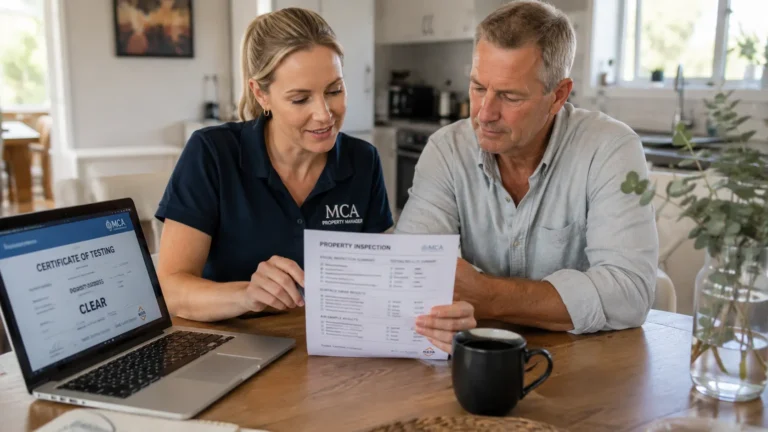
Victoria Skips the Bureaucracy, Not the Risk
Unlike NSW and QLD, Victoria has no single tenancy clause that names methamphetamine directly. That gap gets read by some landlords as a loophole. It isn’t one. Meth contamination disclosure laws VIC aren’t written into one tidy section, they come from general safety and habitability law, and general law still bites.
Meth use across Victoria tracks closely with the national picture: the Australian Institute of Health and Welfare puts recent use at roughly 1.3% of Victorians aged 14 and over, concentrated heavily in the ice form that’s smoked indoors. Smoked ice deposits residue on ceilings, curtains, carpet underlay and HVAC ductwork, none of which a standard bond clean touches. A property doesn’t need to have hosted a lab to carry contamination above the national safety threshold. Repeated recreational use in a poorly ventilated rental does the job just as effectively.
The Two Laws Behind Meth Contamination Disclosure Laws VIC
Two Victorian statutes carry the disclosure obligation between them, and together they’re what “meth contamination disclosure laws VIC” actually refers to when property lawyers use the phrase.
Residential Tenancies Act 1997
The Residential Tenancies Act 1997 requires landlords to provide and maintain rental premises in a reasonably clean and habitable condition. A property with meth residue above safe levels fails that test outright, and a landlord who knows about contamination and leases the property anyway is renting out a health hazard while collecting rent on it.
Environment Protection Act 2017
The Environment Protection Act 2017 goes further and applies to owners whether or not they’re currently leasing the property. It sets a general environmental duty: anyone who owns or manages a property must take reasonably practicable steps to minimise risks of harm to human health from hazards they know about, or ought reasonably to know about. Meth residue sits squarely inside that definition. If a previous tenant was flagged for drug activity and the owner did nothing to investigate, “I didn’t know” becomes a much harder argument to make under meth contamination disclosure laws VIC.
What Counts as “Reasonably Practicable”
This phrase does most of the legal work, and it isn’t vague by accident. Courts and tribunals ask what a sensible owner would have done with the information available at the time.
If police attended the property, if a property manager flagged unusual staining or smell, or if a tenant complained about headaches and left early, a reasonably practicable step is testing before the next lease starts. Skipping that step and re-letting the property anyway is the exact conduct meth contamination disclosure laws VIC are written to catch.
Selling a House? The Silence Costs More Than the Test
Victoria’s Sale of Land Act and general consumer protection law require vendors to avoid misleading conduct during a sale. Meth contamination that affects the value or safety of a property is the kind of fact a reasonable buyer would want to know before signing, and it’s exactly the kind of fact meth contamination disclosure laws VIC exist to force into the open.
A vendor who has a positive test result, a police record of drug activity, or knowledge of prior remediation and says nothing about any of it is exposed to a rescinded contract, damages, or both once the buyer finds out. And buyers do find out. Ice testing is now a routine pre-purchase check in Melbourne’s outer suburbs and regional Victoria, particularly for properties that spent time as long-term rentals.
The Number Everyone Argues About: 0.5 µg/100cm²
Victoria uses the same national benchmark as every other state. The Australian Clandestine Drug Laboratory Remediation Guidelines set 0.5 micrograms of methamphetamine per 100 square centimetres as the ceiling for safe occupation. WorkSafe Victoria and Consumer Affairs Victoria both reference this figure when contamination disputes land in front of them.
Above 0.5 µg/100cm², the property needs professional remediation before anyone moves back in. Above roughly 10 µg/100cm², testers typically start looking for signs of manufacture rather than use. Below the threshold, no disclosure obligation exists under meth contamination disclosure laws VIC, because there’s nothing unsafe to disclose. The number is what turns “I think there might be a problem” into a legal fact one way or the other.
What VCAT Has Actually Done to Landlords Who Stayed Quiet
Victorian tenants who move into a contaminated property without warning have taken landlords to VCAT and won orders for compensation, lease termination, and in some cases repayment of rent paid while the property was unsafe to occupy. The tribunal doesn’t need a specific meth clause to make that finding. It only needs evidence that the landlord knew, or should have known, and rented the property out regardless. This is meth contamination disclosure laws VIC in practice, not theory.
That’s the exposure a Dandenong landlord is carrying every time he re-lets a property without checking what the last tenant left behind.
Our View From Site
We test properties across Melbourne, Dandenong South and regional Victoria every week, and the pattern repeats. Owners who test between tenancies catch problems early, spend less on remediation, and never end up explaining themselves at VCAT. Owners who skip it are gambling that the next tenant won’t notice, won’t complain, and won’t ask for a copy of the last inspection report.
That’s a bet we wouldn’t take with our own properties, and we wouldn’t recommend anyone else take it either.
Frequently Asked Questions About Meth Contamination Disclosure Laws VIC
Do landlords in Victoria have to disclose meth contamination to tenants?
Yes. While Victoria has no tenancy clause naming methamphetamine specifically, meth contamination disclosure laws VIC arise from the Residential Tenancies Act 1997 and the Environment Protection Act 2017, both of which require landlords to address known or reasonably suspected contamination before re-leasing.
Do meth contamination disclosure laws VIC apply to home sellers too?
Yes. Vendors are bound by consumer protection law and the Sale of Land Act, which prohibit misleading conduct. A known contamination issue that isn’t disclosed can lead to a rescinded contract or a damages claim once the buyer discovers it.
What level of meth contamination triggers a disclosure obligation in Victoria?
The relevant threshold is 0.5 µg/100cm², the national benchmark set by the Australian Clandestine Drug Laboratory Remediation Guidelines. Above that figure, remediation and disclosure obligations apply. Below it, there is generally nothing to disclose.
What happens if a landlord ignores meth contamination disclosure laws VIC?
VCAT has ordered compensation, lease termination, and repayment of rent in cases where landlords knew or should have known about contamination and leased the property anyway.
Worried about a Victorian property with an uncertain history? Understanding meth contamination disclosure laws VIC is only useful if you know what your property actually contains. Meth Cleaning Australia provides certified testing, decontamination and clearance certification across Melbourne, Dandenong South and Regional Victoria. Call us on 1800 498 443 or book a site visit and get a straight answer before you lease or list.